Fatima Maana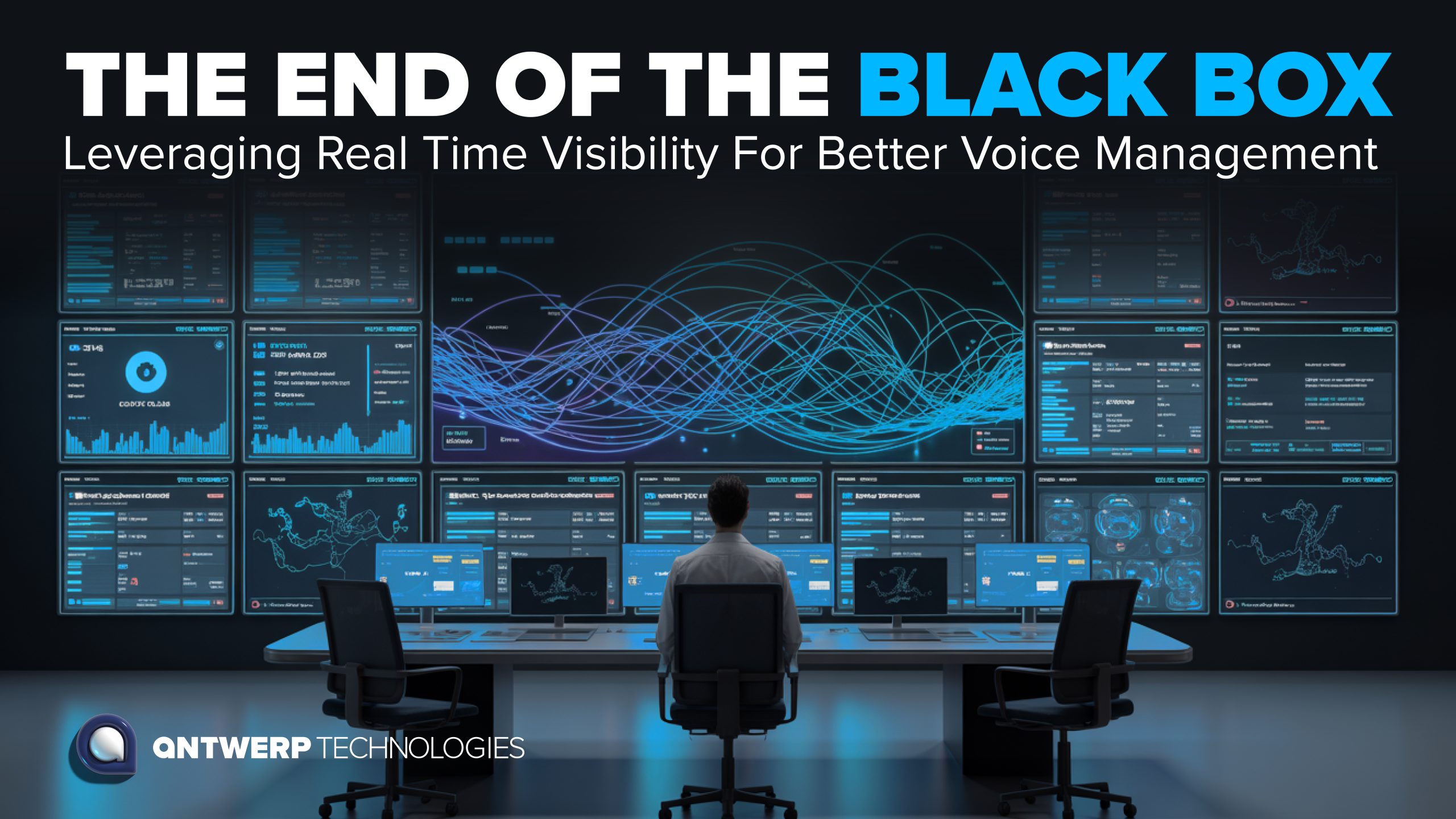
For years, the wholesale voice industry has operated within a “black box.” Traffic goes in, and results come out, but the journey in between is often obscured by a lack of transparency. When call quality drops or unexpected costs arise, the delay in identifying the root cause isn’t just a technical hurdle—it’s a major business risk.
The era of managing voice services in the dark is over. The shift toward real-time visibility is transforming how carriers and enterprises optimize their global connectivity.
The Problem with the “Black Box” Approach
Traditionally, voice management relied on reactive reporting. CDRs (Call Detail Records) were analyzed hours or even days after the fact. This lag created several critical vulnerabilities:
- Delayed Troubleshooting: By the time a spike in latency or a drop in ASR (Answer Seizure Ratio) was detected, the revenue loss had already occurred.
- Hidden Costs: Without live data, it is nearly impossible to catch route inefficiencies or “gray routes” until the bill arrives.
- Poor User Experience: Quality issues often went unnoticed until a customer filed a complaint, damaging brand reputation.
The Power of Real-Time Visibility
Real-time visibility peels back the curtain, offering a live view into every stream and route. This transparency is a game-changer for CPaaS providers and global carriers:
1. Instant Quality Monitoring
Identify jitter, latency, or packet loss the moment they occur. Real-time data allows for immediate rerouting to maintain high-definition standards and ensure SLA compliance.
2. Proactive Fraud Prevention
Real-time analytics can detect suspicious patterns, such as False Answer Supervision (FAS) or unusual traffic spikes, stopping fraud in its tracks before it scales.
3. Dynamic Route Optimization
Instead of relying on static LCR (Least Cost Routing), managers can leverage live performance data to balance cost and quality dynamically. This ensures you are always using the most efficient path available.
4. Enhanced Operational Efficiency
Automated alerts and dashboards reduce the manual overhead of troubleshooting. This allows technical teams to focus on strategic scaling rather than constant “firefighting.”
Beyond the Technical: A Business Imperative
In a market where margins are thin and customer expectations are at an all-time high, visibility is a competitive advantage. The ability to provide consistent, high-quality voice services is what builds long-term trust.
By eliminating the “black box,” companies empower themselves with the data needed to make informed decisions, optimize margins, and deliver a seamless communication experience.
Looking Ahead
The future of voice is data-driven. As AI and machine learning become more integrated into traffic management, the depth of visibility will only grow. The question is no longer if you should move toward transparency, but how fast you can implement it.
Are you still managing your voice traffic in a black box? It’s time to embrace a transparent, real-time approach to global connectivity.